


Check Engine Light Diagnosis in Greeley
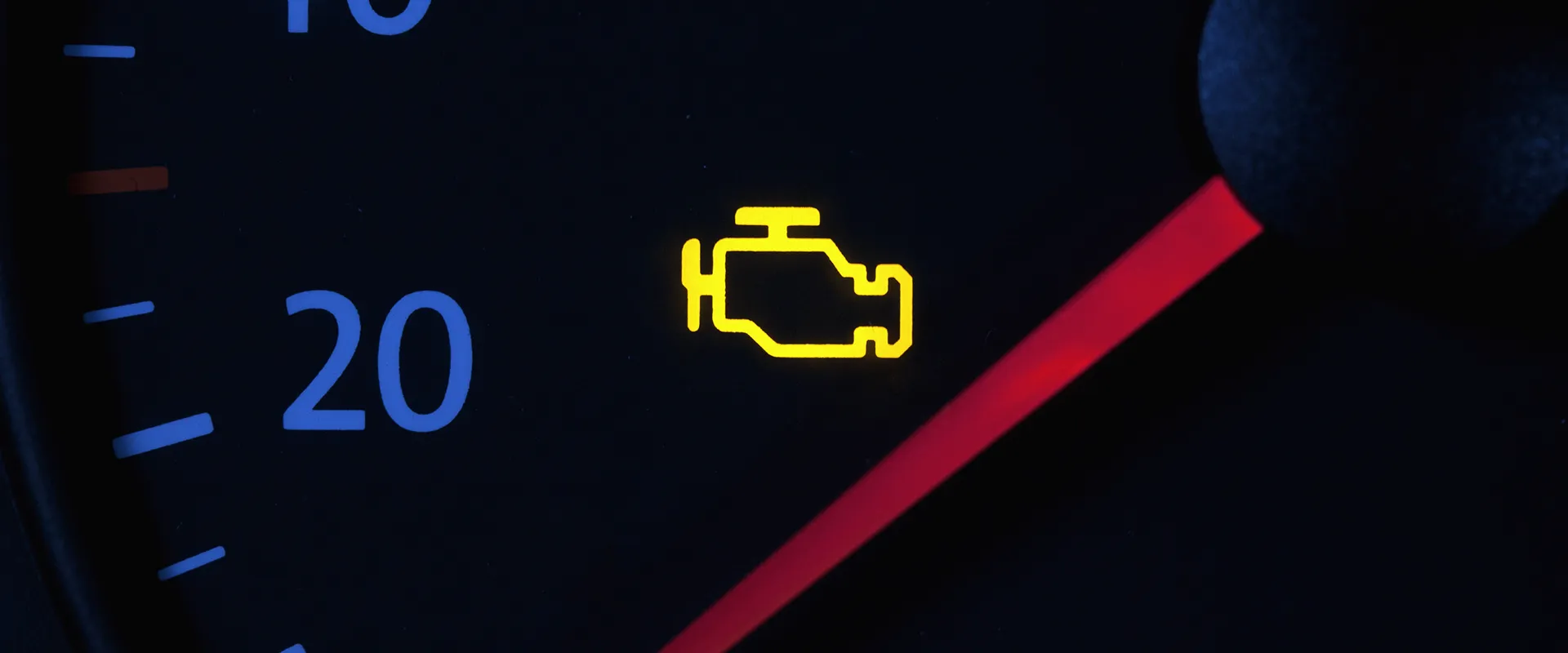
When your check engine light comes on, it’s your vehicle’s way of telling you something needs attention. The cause might be as simple as a loose gas cap or as serious as an engine misfire. Without proper testing, it’s difficult to know what’s wrong or whether it’s safe to keep driving.
At Phil’s Pro Auto Service, we provide professional check engine light diagnosis in Greeley, CO, using advanced diagnostic equipment to retrieve fault codes, analyze vehicle data, and identify underlying problems. Our goal is to give you accurate answers and help you avoid unnecessary repairs, so you can get back on the road with confidence.
Why Is My Check Engine Light On?
Your check engine light is connected to your vehicle’s onboard diagnostic system, which monitors engine performance, emissions, and related components. When the system detects a malfunction, it may illuminate the warning light and store a diagnostic trouble code.
Some problems are minor, while others can affect fuel efficiency, engine performance, or overall reliability.
Common causes of an illuminated check engine light include:
- Loose or damaged gas cap: A poor seal can trigger an evaporative emissions system warning.
- Faulty oxygen sensors: Incorrect sensor readings can affect fuel management and emissions.
- Worn spark plugs or ignition coils: Ignition problems can cause misfires, rough idling, and reduced performance.
- Catalytic converter problems: Reduced converter efficiency can trigger an emissions-related fault.
- Mass airflow sensor issues: Inaccurate airflow readings can affect engine performance and fuel delivery.
- Fuel system concerns: Problems with fuel delivery or air-fuel mixture can cause hesitation, stalling, or poor acceleration.
Because different issues can produce similar warning lights and symptoms, identifying the exact cause requires more than simply reading a fault code.
Common Check Engine Light Codes and What They Mean
When your vehicle detects a problem, its computer stores an OBD-II diagnostic trouble code (DTC). These codes help technicians identify which system needs attention, but they don’t always identify the specific part that needs repair.
Some common check engine light codes include:
- P0300 – Random or Multiple Cylinder Misfire: Indicates misfires involving multiple cylinders. Possible causes include ignition problems, fuel delivery issues, or mechanical concerns.
- P0420 – Catalyst System Efficiency Below Threshold: Indicates that catalytic converter performance is below the expected threshold. Possible causes include exhaust leaks, oxygen sensor issues, or converter deterioration.
- P0171 – System Too Lean (Bank 1): Means the engine computer has detected a lean air-fuel mixture condition. Vacuum leaks, fuel delivery problems, or incorrect airflow measurements may contribute.
- P0455 – Large EVAP System Leak Detected: Indicates a significant leak in the evaporative emissions system, potentially involving a gas cap, hose, or related component.
- P0135 – Oxygen Sensor Heater Circuit Malfunction: Points to an issue with the upstream oxygen sensor heater circuit on Bank 1, which may involve wiring, electrical connections, or the sensor itself.
A trouble code is the starting point, not the complete diagnosis. At Phil’s Pro Auto Service, our technicians use fault codes alongside vehicle data and additional testing when needed to determine what’s actually causing the warning light.
What Does a Check Engine Light Diagnostic Include?
At Phil’s Pro Auto Service, we believe accurate diagnostics are the foundation of reliable auto repair. Rather than replacing parts based on assumptions, our technicians use a methodical approach to identify the cause of your check engine light.
When the warning light comes on, our technicians connect advanced diagnostic equipment to retrieve stored fault codes and analyze real-time vehicle data. This information helps evaluate how your vehicle’s systems are performing and where a problem may be occurring.
Depending on the findings, further testing may be necessary to investigate concerns involving sensors, electrical circuits, ignition components, fuel delivery, or engine performance.
This approach helps our team:
- Identify potential causes of engine and emissions-related problems.
- Evaluate fault codes alongside live vehicle performance data.
- Investigate symptoms such as rough idling, hesitation, stalling, or reduced power.
- Avoid unnecessary part replacements by identifying the underlying issue.
- Recommend appropriate next steps based on diagnostic findings.
By focusing on the cause rather than just the symptom, we help drivers make informed decisions about their vehicles and reduce the likelihood of repeat visits for unresolved problems.
Flashing vs. Steady Check Engine Light: When Should You Be Concerned?
Not all check engine light warnings indicate the same level of urgency. Understanding the difference can help you protect your vehicle from additional damage.
Steady Check Engine Light
A steady check engine light typically indicates that your vehicle has detected a problem requiring attention. You may not notice any immediate changes in how your vehicle drives, but that doesn’t necessarily mean everything is operating correctly.
Schedule a diagnostic appointment promptly, particularly if you notice reduced fuel efficiency, unusual engine behavior, or changes in performance.
Flashing Check Engine Light
A flashing check engine light is more urgent and can indicate an active, severe engine misfire that may damage the catalytic converter.
If your check engine light begins flashing, reduce your speed and engine load, pull over when safe, and turn off the engine. Avoid continuing to drive and arrange for professional assistance.
Addressing warning lights early can help prevent smaller problems from developing into more extensive repairs.
Professional Check Engine Light Service in Greeley, CO
When something doesn’t feel right with your vehicle, guessing can lead to wasted time and unnecessary expenses. At Phil’s Pro Auto Service, our diagnostic process is designed to uncover the real cause of engine performance issues.
Whether you’re experiencing rough idling, hesitation, reduced power, or a check engine light without noticeable symptoms, our technicians use modern diagnostic equipment and systematic testing to investigate the concern.
We focus on providing clear explanations and recommendations based on what your vehicle actually needs, helping Greeley drivers make confident repair decisions.
Frequently Asked Questions About Check Engine Lights
Can I drive with my check engine light on?
It depends on the underlying problem. If the light is steady and your vehicle appears to be operating normally, limited driving may be possible, but you should arrange a diagnostic inspection promptly. If the light flashes or your vehicle experiences severe shaking, overheating, or significant power loss, stop driving when safe and seek assistance.
Why is my check engine light on if my car drives fine?
Some engine and emissions problems don’t produce obvious symptoms immediately. A loose gas cap, sensor malfunction, or developing emissions issue may trigger the light before you notice a difference in performance. Diagnostic testing helps identify the problem before it potentially becomes more serious.
Is reading a check engine light code the same as diagnosing the problem?
No. A basic code scan retrieves stored trouble codes, but those codes don’t always identify the exact cause. Professional diagnostics involve interpreting the codes, analyzing live vehicle data, and performing additional testing when necessary to determine what needs attention.
How much does a check engine light diagnostic cost?
Diagnostic fees vary depending on the vehicle and the complexity of the concern. Some problems are relatively straightforward to investigate, while intermittent or more complicated issues may require additional testing. Contact Phil’s Pro Auto Service for information about diagnostic services and applicable fees.
How long does check engine light diagnosis take?
The time required depends on the symptoms and the problem involved. Retrieving fault codes may be relatively quick, but identifying the underlying cause can take longer if additional inspection or testing is necessary. Our goal is to diagnose the issue accurately rather than recommend repairs based on the code alone.
Can cold weather in Greeley cause my check engine light to come on?
Cold temperatures can affect battery performance, electrical systems, and engine operation. In some cases, winter conditions can expose existing weaknesses that contribute to warning lights or drivability problems. Because multiple issues can cause similar symptoms, diagnostic testing is the best way to determine what’s happening.
Schedule Check Engine Light Diagnosis in Greeley, CO
Don’t ignore a check engine light or rely on guesswork to determine what your vehicle needs. At Phil’s Pro Auto Service, we use advanced diagnostic equipment and careful testing to help identify the source of warning lights and performance concerns.
Whether the light just appeared or you’ve been dealing with an ongoing issue, our team is ready to help you find answers.